Things to Do in North Macedonia in March
March weather, activities, events & insider tips
Low Season · Budget Friendly
March Weather in North Macedonia
Long-run averages for March in Skopje
77°F (25°C)
High Temp
68°F (20°C)
Low Temp
1.7 inches (43 mm)
Rainfall
69%
Humidity
4
Sunny-Day UV
⚠ Mountain roads in western North Macedonia, around Mavrovo National Park and the Galicica passes connecting Ohrid to Lake Prespa, can carry residual ice and snow in March. If self-driving in highland areas, check local road conditions before setting out and carry winter tyres or chains.
Is March Right for You?
Weigh the advantages and considerations before booking
Advantages
- + Tourist crowds are practically nonexistent. You will have Ohrid's Church of St. John at Kaneo, the fortress walks above Skopje, and the frescoed interiors of Sveti Naum monastery essentially to yourself. This kind of access vanishes entirely once June arrives and the tour buses start queuing along the lakefront.
- + Skopje's average highs reach 25 degrees C (77 degrees F) in March. Warm enough for comfortable all-day walking through the Old Bazaar and along the Vardar embankment. You avoid the punishing summer heat that empties the city's streets by mid-afternoon from June onward.
- + Accommodation prices sit well below peak summer rates. You will likely find same-week availability at lakeside guesthouses in Ohrid that require months-ahead booking in July and August. The savings are real, not marginal. if you are coming from Western Europe and used to Adriatic-coast pricing.
- + Spring produce starts appearing at Bit Pazar, Skopje's large open-air market behind the Old Bazaar. Look for bundles of wild garlic, young nettles destined for savoury pita, and the first sweet peppers of the year. Local women are already beginning to roast these over open flames for ajvar.
Considerations
- − Lake Ohrid is too cold for swimming in March regardless of air temperature. The lake plunges to 289 m (948 ft) at its deepest point, which means it retains winter cold well into late spring. Even local swimmers typically wait until late June before wading past their ankles.
- − Some mountain roads in western North Macedonia can still carry ice or snow patches in March. This applies around Mavrovo National Park and the Galicica range between Ohrid and Prespa. Self-drive exploration of the highlands remains unpredictable without winter tyres.
- − Shorter daylight and reduced operating hours limit evening plans outside Skopje. Ohrid and Bitola quiet down considerably after dark in March. Many lakeside restaurants and cafes remain on winter schedules or stay shuttered entirely until late April. If nightlife matters to you, this is not the month.
Best Activities in March
Top things to do during your visit
Skopje Old Bazaar Food and Heritage Walking Tours
Walking through Skopje's Stara Carsija in March means stepping into one of the Balkans' oldest continuously operating marketplaces. You avoid the summer crowds that turn its narrow lanes into a slow shuffle. The air here smells of hardwood charcoal and the char of cevapi grilling over open coals. The Ottoman-era stone-and-timber shopfronts along Bitpazarska street look much as they did five centuries ago. March's warmth makes this ideal walking territory. The covered passages and open courtyards that turn stifling in July feel pleasantly sun-warmed instead. Destan, a kebapi institution in the middle of the bazaar that has been grilling meat over the same style of mangal for decades, typically has open seats at lunch. Something unimaginable in peak season. The sensory density here rewards slow exploration, from the rhythmic clang of copper being hammered in a tinsmith's workshop to the sticky-sweet scent of halva displayed in thick slabs behind glass cases. You will eat better from these stalls than from most sit-down restaurants elsewhere in the Balkans. March gives you the breathing room to taste it.
Booking Tip: Book a few days ahead through licensed local guides. Availability in March is rarely an issue. Groups tend to be smaller this time of year, which means more personal attention and better access to tucked-away courtyards the larger tours skip. See current walking tour options in the booking section below.
Lake Ohrid and Medieval Monastery Circuit
Ohrid in March is Ohrid before the performance begins. The UNESCO-listed old town and its ring of Byzantine churches exist quietly for their own sake rather than as a backdrop for selfie sticks and tour flags. The Church of St. John at Kaneo, perched on a cliff directly above the water, is the most photographed spot in North Macedonia. In March you might find yourself alone there long enough to hear the lake slapping against the rocks below and smell the damp pine resin drifting down from the hillside above. The full monastery circuit runs from Sveti Naum at the lake's southern shore, where peacocks still wander the courtyard and underground springs feed water so clear you can count pebbles three metres (ten feet) down, back north through the medieval frescoes of Sveti Kliment, a route covering roughly 30 km (18.6 miles) by car along the eastern shore. The light in March is different from summer's flat glare. Softer and more angular, catching the ochre and terracotta of the old town's tiled roofs in a way that July's overhead sun never does. The hills behind Ohrid still carry a faint green haze of new growth. The lake itself, fed by springs rather than rivers, holds a clarity that has to be seen in person to be believed.
Booking Tip: Full-day private tours offer the most flexibility since the monastery sites are spread along the lakeshore and public transport between them is thin. Book at least a week ahead for a private vehicle and guide. Licensed operators in Ohrid generally have good March availability. Check current Ohrid tour options in the booking section below.
Matka Canyon Kayaking and Cave Exploration
Matka Canyon sits just 15 km (9.3 miles) southwest of Skopje's centre, but stepping onto the water there feels like entering a different geological era. The canyon walls rise nearly vertically to around 100 m (328 ft), slick with moss and dripping with the mineral-rich groundwater that feeds Vrelo Cave, one of the deepest underwater caves in Europe. In March, the reservoir surface is calm and glassy. The air inside the canyon carries a cool, damp stone smell that contrasts with the warm temperatures on the plateau above. Kayaking the canyon's length gives you access to spots the tourist boats tend to skip: smaller grottoes, cliff faces where medieval hermit churches were carved directly into the rock, and quiet inlets where the only sound is your paddle breaking the surface. The canyon's enclosed microclimate keeps temperatures a few degrees cooler than Skopje proper. Pack a light layer. This is North Macedonia's most accessible outdoor adventure from the capital. In March you will share the water with a handful of other paddlers rather than the flotilla that forms by midsummer.
Booking Tip: Kayak rentals and guided boat tours run year-round from the dam at the canyon entrance, though March sees reduced departure frequency compared to summer. Booking a day or two ahead is usually sufficient. Look for operators offering combined kayak-and-cave packages, which give you the best of both the open canyon and the underground. See what is currently available in the booking section below.
Macedonian Wine Tasting and Food Pairing Experiences
North Macedonia's Vranec grape, a tannic red with a deep garnet colour and a finish that carries notes of blackberry, dried plum, and a leathery earthiness, is arguably the best wine most travellers have never encountered. The Tikves wine region south of Skopje, centred around Kavadarci, has been producing wine for centuries. March is when the vines are still dormant but the cellars are full of the previous autumn's pressing, the new vintages not yet bottled, the winemakers unhurried and willing to pour things that are not on any list. Tasting rooms in March feel like private visits rather than ticketed attractions. In Ohrid, lakeside wine experiences pair local varieties with Macedonian specialties: tavce gravce, the slow-baked white beans in an earthenware pot that emerge from a wood-fired oven smoky and rich after hours of patient cooking, and pastrmajlija, an oval flatbread topped with cured pork that North Macedonians claim, with some justification, as their national dish. The combination of Vranec's tannins cutting through the salt and fat of pastrmajlija is the kind of pairing that was never designed by a sommelier but discovered over centuries of local eating.
Booking Tip: Winery visits in the Tikves region generally require advance booking through a tour departing Skopje, as most cellars are not set up for walk-in tastings. In Ohrid, wine and food pairing experiences tend to be more intimate and can often be arranged on shorter notice. Browse the booking section below for current availability.
Traditional Macedonian Cooking Classes
Learning to make ajvar, the roasted red pepper and aubergine spread that is to North Macedonia what pesto is to Liguria, is best done with someone's grandmother. But the structured cooking classes available in Ohrid come respectably close. The process itself is intensely sensory: the char of peppers held directly over a gas flame until the skin blackens and blisters, the earthy smell of oil heating in a copper sac (a domed baking vessel used across the region), the tactile patience of working phyllo dough for burek until it stretches thin enough to read newsprint through. March timing adds a layer most summer visitors never encounter. If Orthodox Lent has begun, your instructor may pivot to postna hrana, the Lenten cooking tradition that has produced some of North Macedonia's most inventive dishes: nettle pita stuffed with foraged spring nettles and brined cheese, leek-and-rice sarma wrapped in pickled cabbage leaves that smell faintly of brine and cellar, or the deceptively simple tavce gravce where the beans are the entire point and the seasoning barely exists. Classes typically run three to four hours. You eat everything you make. The meal is usually paired with local wine and accompanied by the kind of unhurried conversation that only happens when the table has been set by the people who cooked the food.
Booking Tip: Cooking classes in Ohrid tend toward small group sizes, so booking at least a week ahead is wise even in the quieter March period. Classes that begin with a visit to the local market add context and ingredient knowledge you miss with a hotel-kitchen session. See current class offerings in the booking section below.
Cross-Border Day Trips to Pristina and Prizren
The drive from Skopje to Pristina takes barely 90 minutes, and the border crossing at Blace rarely involves more than a passport stamp and a brief wait. But it is Prizren, reached via a detour south, where the trip earns its keep: an Ottoman-era town built into the base of the Sar Mountains, with the Sinan Pasha Mosque's dome rising above a stone bridge spanning the Bistrica River and a hilltop fortress, Kaljaja, that on clear March days offers views stretching into Albania. The contrast between Skopje's post-earthquake reconstruction and Pristina's rawer, still-evolving energy, from the Newborn monument to the repurposed industrial spaces now filling with young cafes, is worth the day on its own. March is good for this trip. The Sar Mountains above Prizren still hold snow, creating a dramatic white-capped backdrop to the terracotta rooftops below, a composition that summer haze often obscures entirely. The air in Prizren in March carries woodsmoke from the bakeries producing fresh somun bread. The cobblestone streets around the old mosque are quiet enough that you can hear the river running below.
Booking Tip: Day tours to Kosovo depart from Skopje and typically combine Pristina and Prizren in a single full-day itinerary covering roughly 400 km (249 miles) round trip. Book through licensed operators at least a few days ahead. Bring your passport. This is an international border crossing. Check available tours in the booking section below.
Where to Stay in North Macedonia in March
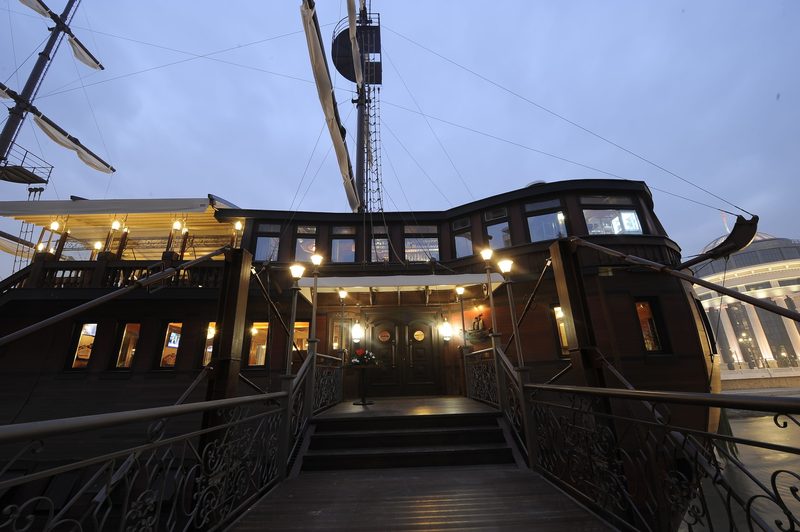
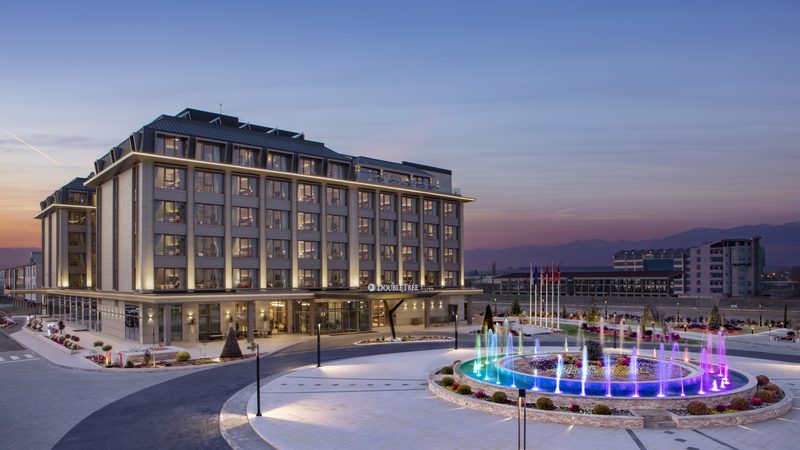
Hand-picked hotels across price tiers for March travellers.
Packing Checklist
Bookmark this page — your progress is saved between visits
Need the full list with shopping links?
Climate-specific gear, brand recommendations, and what to leave at home.
View North Macedonia Packing List →Essential Tips
Insider knowledge and common pitfalls to avoid
Insider Knowledge
North Macedonia is one of the safest countries in the Balkans for independent travellers, and this is not diplomatic hedging. Violent crime against tourists is extremely rare. Solo walking at night in Skopje and Ohrid draws no unusual attention, and the typical risk profile here sits well below that of most Western European capitals. Standard awareness in any crowded market is enough.
The Macedonian denar has been effectively pegged to the euro for years, which means exchange rates are stable and you will not lose money to daily fluctuations. ATMs are plentiful in Skopje and Ohrid. But villages in the western highlands around Mavrovo and in the Tikves wine country can be cash-only territory, so withdraw before leaving the main centres.
Skopje's Old Bazaar largely shuts down on Sundays, and many Ohrid restaurants keep winter hours in March with last orders as early as 9 PM. Plan your major food exploration for midweek when the full range of vendors and kitchens is operating. Friday afternoons in the Carsija tend to be the liveliest, with the mosque crowds blending into the market traffic.
If Orthodox Easter falls in April 2027, March likely sees the beginning of Great Lent (Veliki Post), when North Macedonia's food landscape quietly shifts. Bakeries stock more Lenten options: spinach and leek pies made without cheese or egg, hearty bean stews, walnut-stuffed dried figs. Ask for postna hrana at any traditional restaurant and you unlock a parallel menu that most tourists never know exists.
Avoid These Mistakes
Spending all your time in Skopje and treating Ohrid as a maybe. Skopje is the gateway and has its own rewards, but Ohrid, a three-hour bus ride southwest, is the emotional centre of North Macedonia and the reason most repeat visitors return. Budget at least two nights there. Three if you want to do the full monastery circuit without rushing.
Assuming North Macedonia shares a currency, language, or smooth border regime with Greece. The country uses the denar (not the euro), speaks Macedonian (a South Slavic language closer to Bulgarian than to Greek), and while the border with Greece is open, it is a full international crossing requiring a passport for most nationalities. The name dispute is resolved. But the differences remain real.
Renting a car just for Skopje. The city centre is compact enough to cover on foot, taxis are affordable by any European standard, and parking in the Old Town is a real headache with few legal spots. Save the rental for exploring the countryside: Mavrovo, the Tikves vineyards, or the mountain roads through Galicica, where public transport thins out to one bus a day or less.
Ready to plan your trip to North Macedonia?
Now that you've got the research covered, here's where to go next.
Explore More Activities in North Macedonia
Didn't see anything interesting yet?
Browse Viator's full catalog of tours, day trips, food experiences, and private guides in North Macedonia.
See All North Macedonia Tours on Viator